
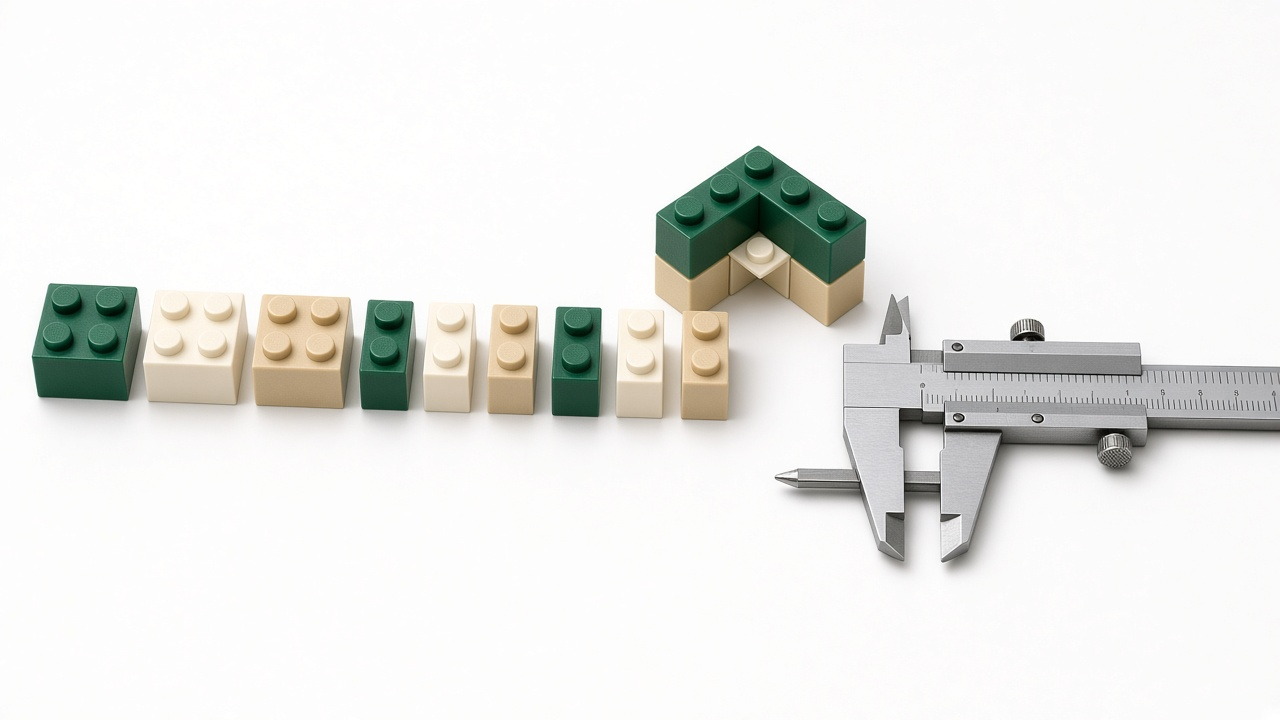
Check the build, not only the box
For a brick set, review part fit, visible edges, color consistency, missing pieces and the ability to complete the pictured model. For a track system, assemble the route and test its operation. Inspection points should match the actual construction system and agreed sample.
Match documents to the SKU
Ask for the test report number, tested item identity, photographs, issue date, laboratory details and applicable requirements. Check whether the tested version matches the material, color, age grading and construction of the order. A report for a different family of toys should not be presented as evidence for this item.
Plan the destination-market review
For US orders, review the applicable toy-safety requirements and required product certification with your compliance team. For EU orders, review conformity documentation, marking, traceability and language requirements. Requirements depend on the product and market; confirm current rules with a qualified laboratory or adviser before ordering.
Make packaging checks measurable
Record the approved package dimensions, selling unit, master-carton quantity, barcode position and shipping marks. Inspect the actual packed configuration, not only an artwork PDF. Where missing pieces or damage are found, record item and batch references, quantities and photographs.
Agree the inspection scope before production
Define the inspection stage, sampling approach, acceptance criteria, reporting format and corrective-action process in writing. Do not treat a sample approval as proof that every later production batch is identical. Additional testing or inspection is quoted and confirmed for the actual order.